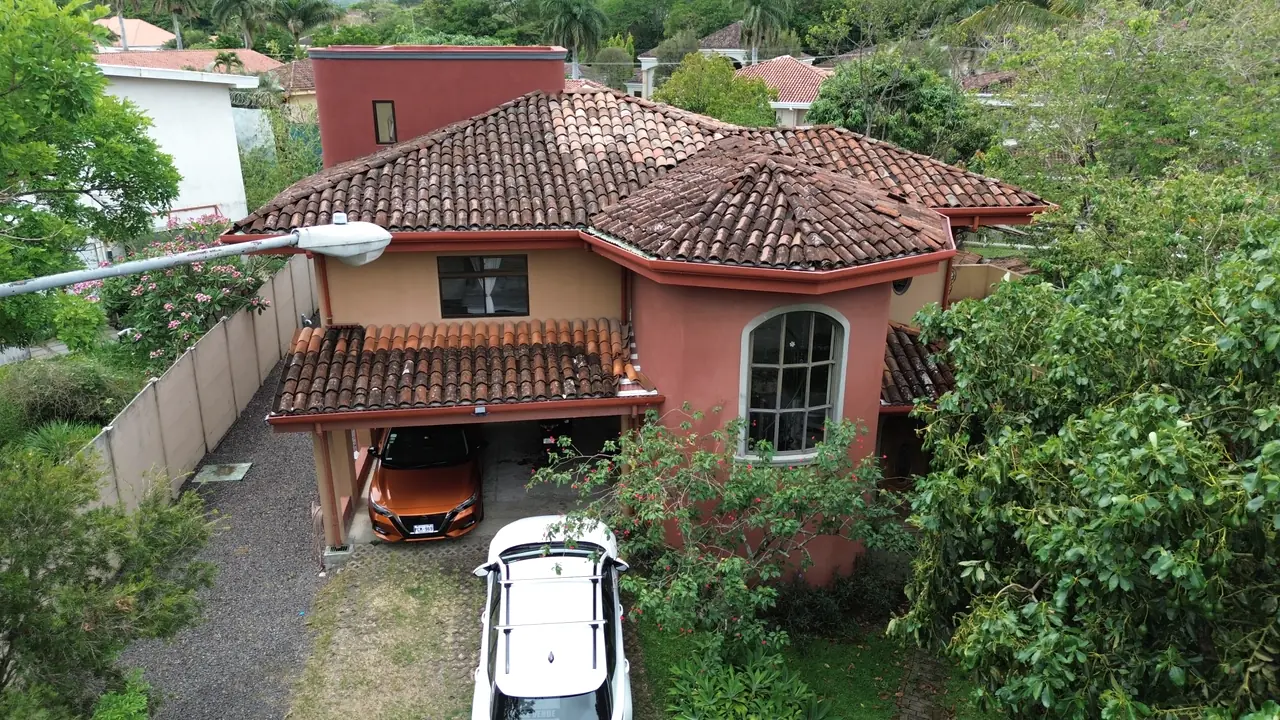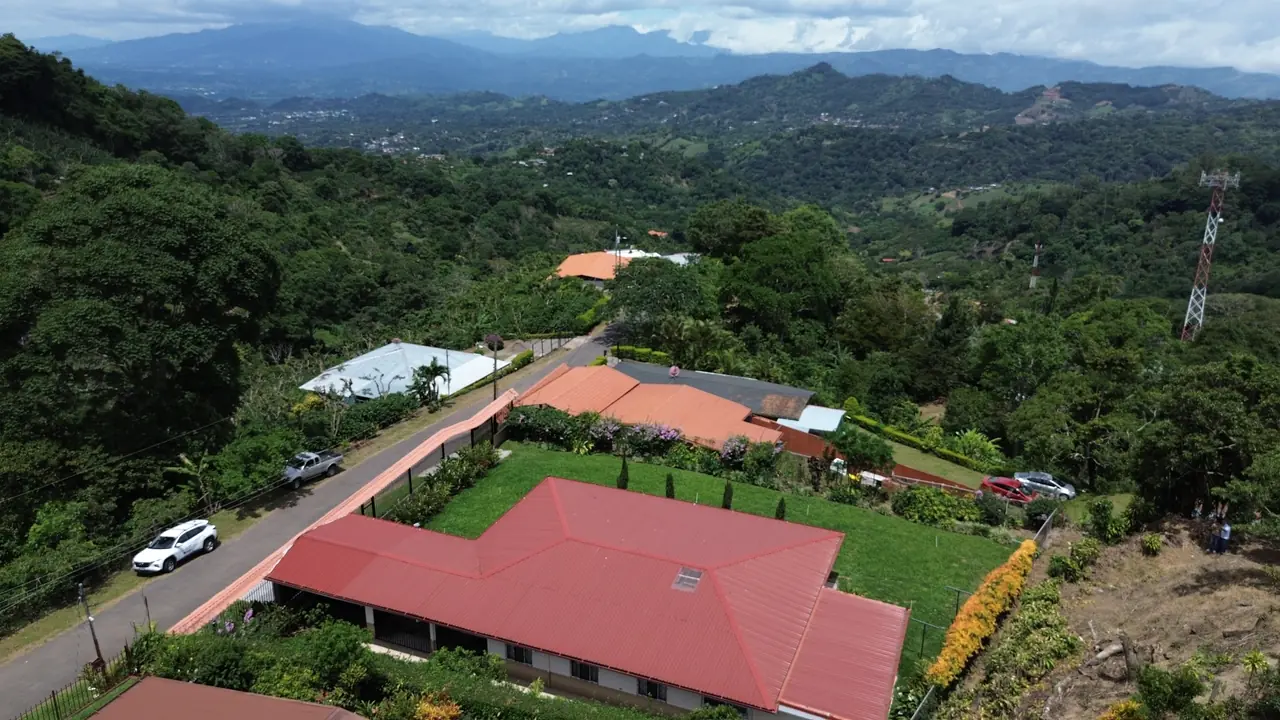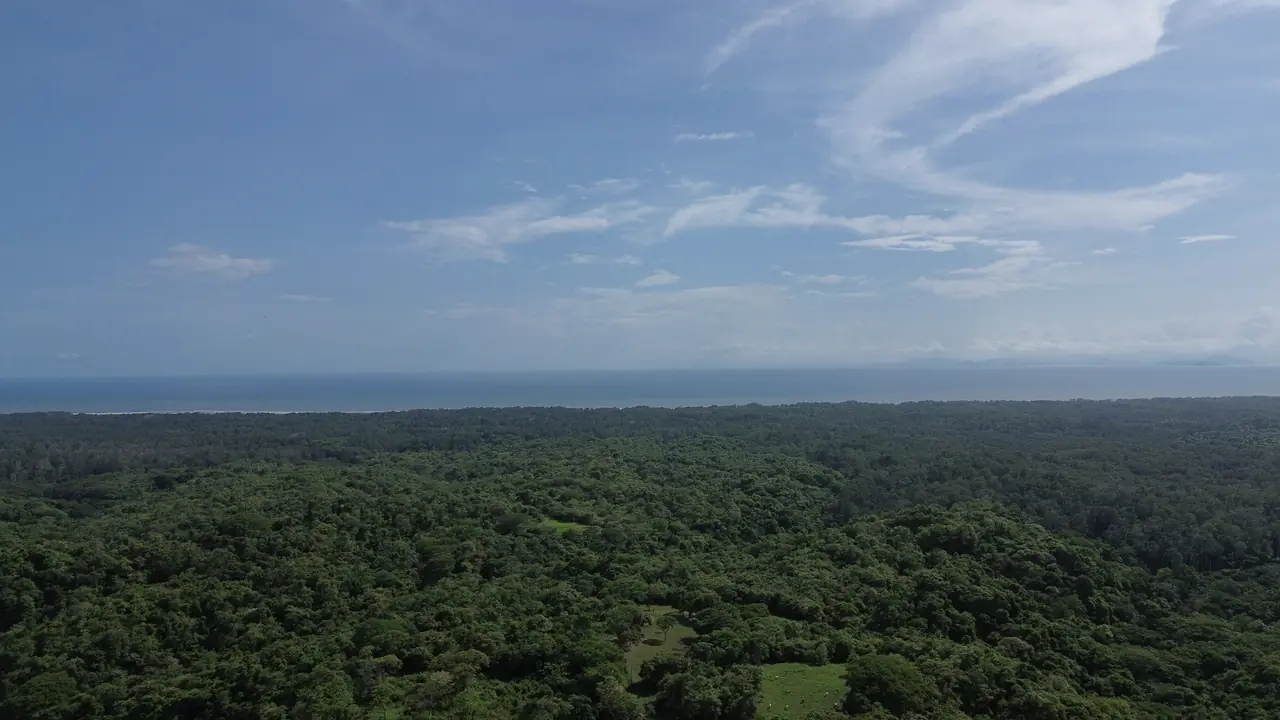

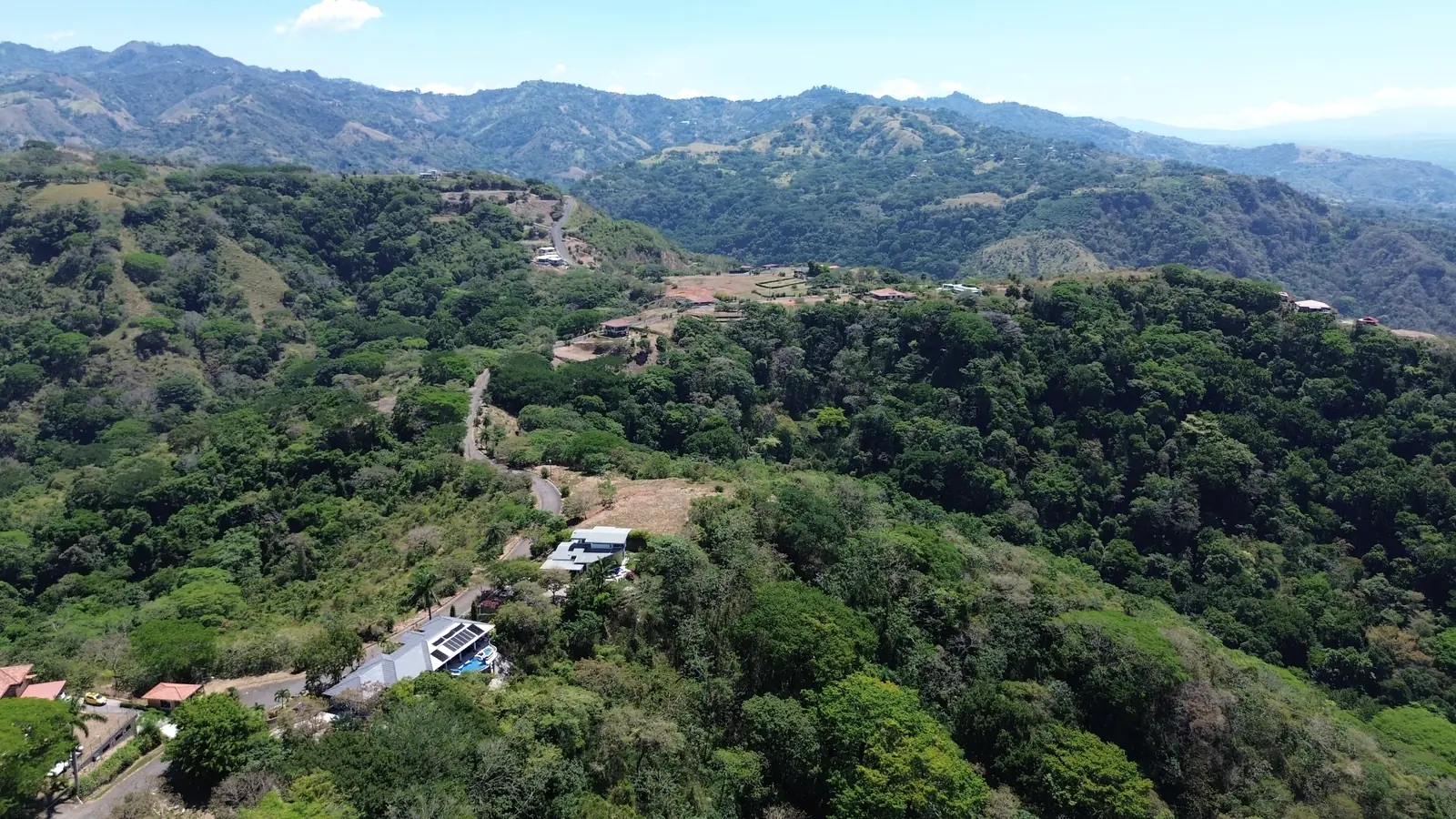
In Costa Rica the three words are used almost interchangeably in conversation, yet they are different things when the time comes to finance, build or resell. It is worth being clear on the difference before falling in love with a piece of land.
First things first: at the Registry, everything is a "finca"
For registry purposes, any property recorded in Costa Rica is a finca with its own title number. A condo unit in Escazú is, to the National Registry, a finca. That is why the word confuses people: in everyday speech it means something other than what it means on the document.
What follows is the everyday usage of the market, which is what you will find in the listings.
Lot
A relatively small piece of land, usually in town or in a development, meant to be built on. It normally has utilities at the front — water, electricity, sometimes sewerage — and access from a public road.
- In its favor: it is the easiest to finance and to resell. Building starts quickly because the utilities are already there.
- Watch out for: land use and permitted coverage. A pretty lot whose land use does not allow what you want to build is no use to you.
Country home
A leisure property: a mid-sized plot — often between half a hectare and a few hectares — usually with a house, green areas and sometimes an outdoor kitchen or pool. It is the Costa Rican weekend home. It sits outside town but is not a working farm.
- In its favor: space and surroundings you simply cannot get in the city at the same price.
- Watch out for: the water. Country properties often depend on an ASADA or a well, and the availability letter is decisive. Access too: check whether the road is public or there is a right of way, and how it holds up in the rainy season.
Farm
In everyday usage, a large piece of land meant to produce: cattle, coffee, cane, timber. It is measured in hectares and its value reflects both the land and what it yields.
- In its favor: a far lower price per square meter, plus development or subdivision potential if zoning allows it.
- Watch out for: financing works differently — banks apply other criteria to agricultural land — and you need to check environmental restrictions, protected buffers along rivers and springs, and whether any forestry or payment-for-environmental-services regime applies.
Quick comparison
| Lot | Country home | Farm | |
|---|---|---|---|
| Typical size | Hundreds of m² | Thousands of m² to a few hectares | Several hectares |
| Services | Usually available | Varies; check the water supply | Often without utilities |
| Financing | The most affordable | Average | The most restricted |
| Typical use | Build a home | Recreation or second home | Farming or development |
The checks you should never skip
Whichever you choose, before signing make sure you check:
- A current cadastral survey, with an area that matches the registered area.
- Legal access: a public road or a properly constituted and registered right of way.
- Water: an availability letter from AyA or the local ASADA. Without water there is no building permit.
- Municipal land use that allows what you intend to do.
- Protected setbacks: buffers along rivers, streams and springs reduce the area you can actually use.
So which one suits you?
If you are building soon and want the shortest path, a lot with utilities and clear land use. If you are after quality of life and space without leaving the Central Valley, a country home, with the water supply verified before you make any offer. If the goal is longer-term investment or development, a farm, going in with technical advice from day one.
This guide is for information only
The fees, percentages and requirements described reflect common practice in Costa Rica at the time of publication and may change. Before signing anything, confirm the amounts with your notary public and, where there are tax implications, with a tax advisor. A LA Realty Group agent can guide you through the whole process.
Do you own a property and want to know what it is worth?
Our calculator gives you an indicative range in minutes, and an agent confirms it with a visit. Free of charge.