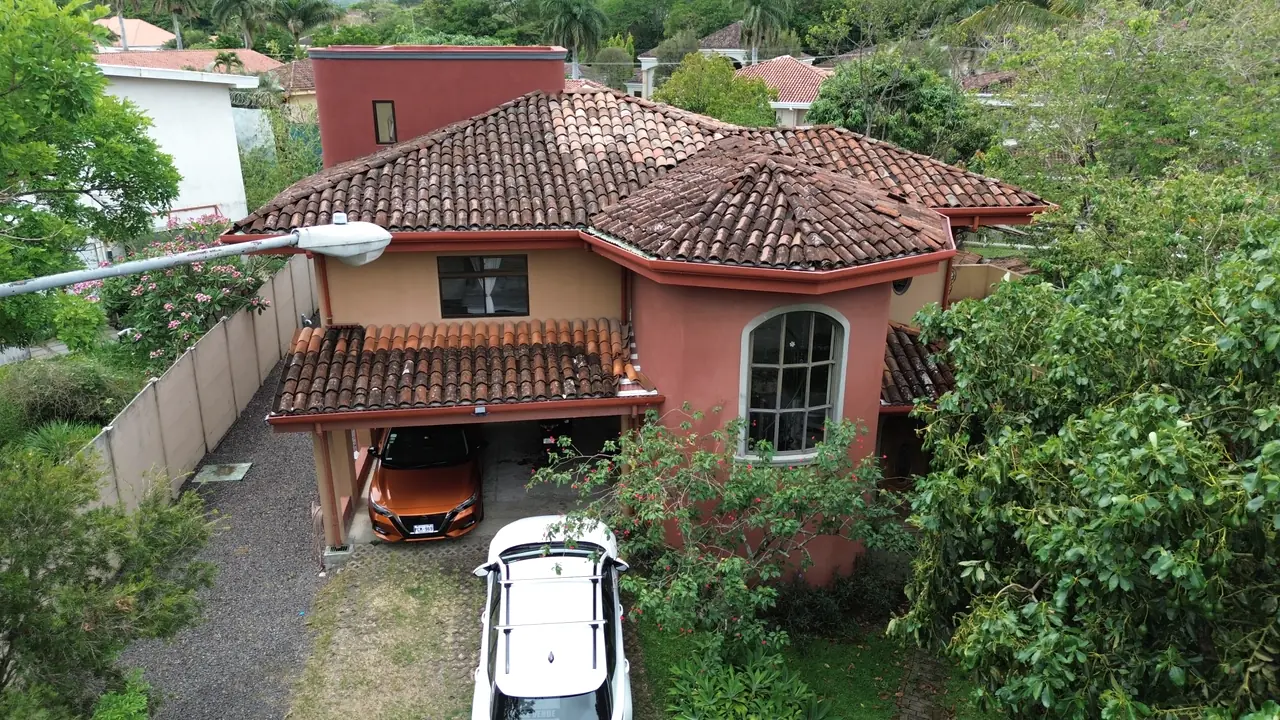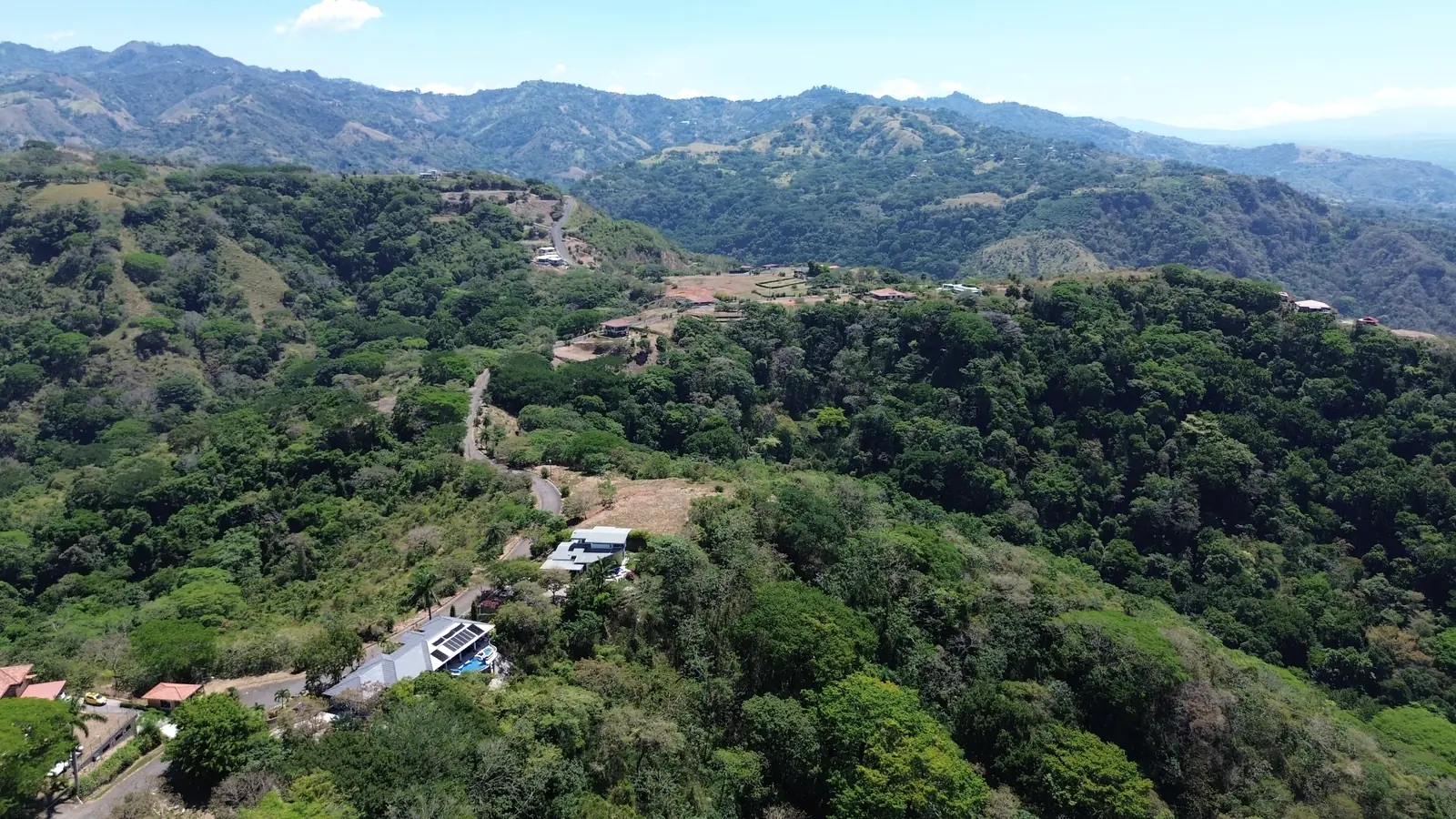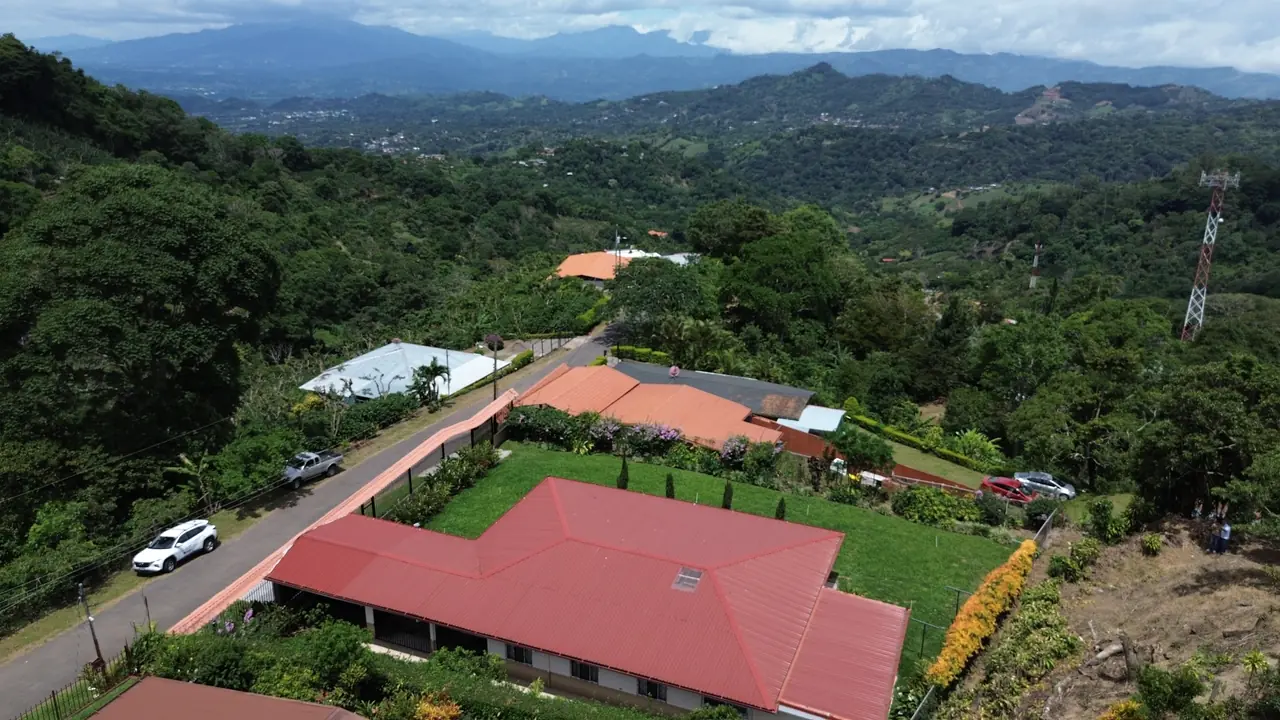

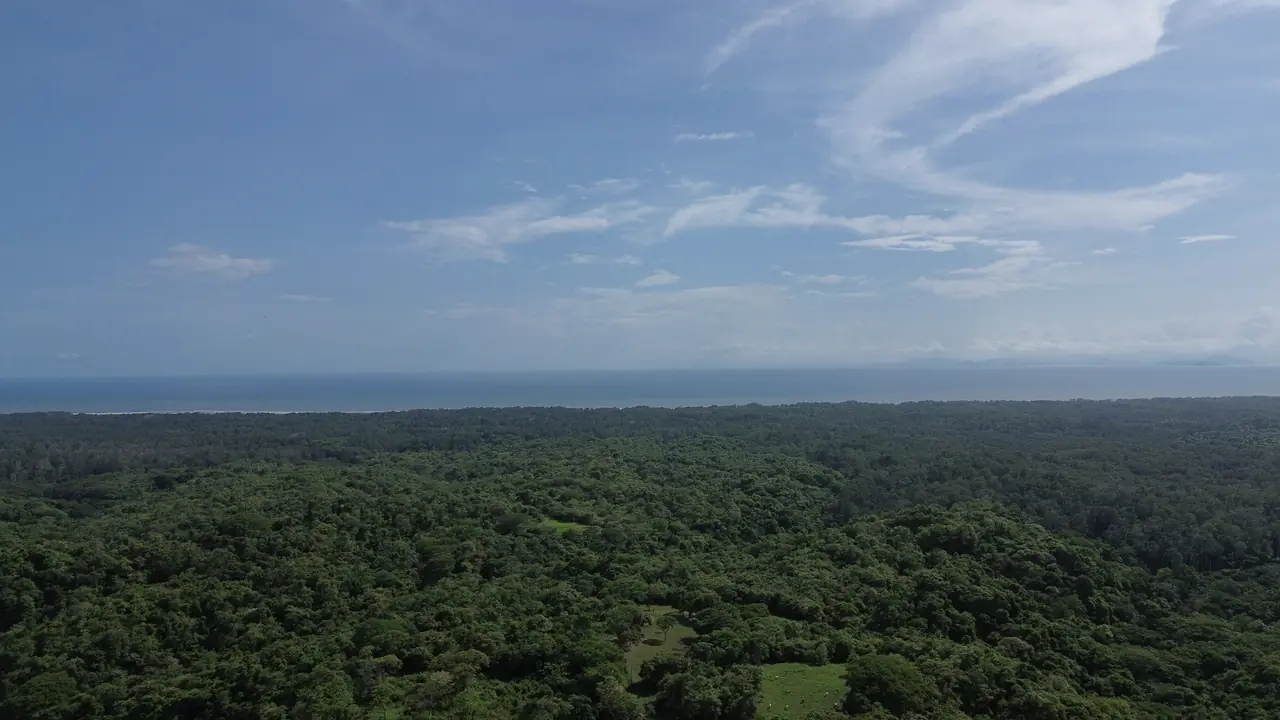
The short answer is yes: a foreigner can buy property in Costa Rica on virtually the same terms as a Costa Rican, even without residency. The long answer has three or four exceptions worth knowing before you wire any money.
The general rule
The Costa Rican Constitution protects private property without distinguishing by nationality. A foreigner can buy, register and sell a property in their own name, and can do so with a passport, without residency and without setting up a company.
Many foreign buyers still choose to purchase through a Costa Rican corporation or limited liability company, for estate-planning or management reasons. It is an option, not a requirement, and it carries its own annual costs and obligations.
The exception that matters: the maritime-terrestrial zone
Here there are special rules. The first 200 meters measured from the ordinary high tide line form the maritime-terrestrial zone, governed by Law 6043:
- The first 50 meters are public zone. It cannot be sold, granted in concession or built on. Nobody's, and everybody's.
- The next 150 meters are restricted zone. They are not bought outright: they are granted as a concession for fixed terms, through the municipality, and subject to the zoning plan.
- To hold a concession in that strip, the law imposes restrictions on foreigners who have not lived in the country for a certain time, and limits their stake in concession-holding companies.
If someone offers to "sell" you beachfront property, the first thing to establish is whether what is being transferred is a registered title or the rights to a concession. They are legally very different and they are not worth the same.
There are also border zones and land in protected areas with their own rules. The Central Valley — where we work — has none of these restrictions.
The process, step by step
- Define the goal. Buying to live in, to rent out to holidaymakers or to hold long term are not the same thing. It changes the area, the type of property and how you structure the purchase.
- Purchase offer. In writing, with price, deadlines, conditions and what happens if due diligence turns up a problem.
- Due diligence. Registry search on the title, cadastral survey, land use, water availability, easements, liens and annotations, municipal standing.
- Earnest money deposit. Ideally in escrow with a regulated institution, not in the seller's or the agent's personal account.
- Deed before a notary. In Costa Rica the notary is a lawyer with public authority; they draft the deed and file it with the National Registry.
- Registration. The property is recorded in your name at the National Registry.
The mistakes that cost the most
- Using the seller's notary without your own advisor. The notary certifies, but you need someone looking after your interests specifically.
- Wiring money before due diligence. No deposit should leave your hands without the registry search in front of you.
- Assuming there is water. On lots and country properties outside town, without an availability letter there is no building permit. The land can be beautiful and still not buildable.
- Buying from the survey without checking the registered area. When the two do not match, sorting it out can take months.
- Mistaking a concession for ownership in the coastal zone.
On taxes and costs
Closing costs are the same for citizens and foreigners: a 1.5% transfer tax, stamp duties and notary fees, which together usually land between 3.5% and 4.5% of the value. The annual property tax is 0.25% of the value registered with the municipality. You can see the detail in our guide to taxes and costs.
If you are a tax resident elsewhere, check with an advisor in your own jurisdiction how holding a property in Costa Rica must be reported. That part cannot be settled here.
What about residency?
Buying a property does not automatically grant residency, but Costa Rica does have immigration categories tied to investment. The amounts and requirements are set by the Directorate General of Migration and Foreign Affairs and change over time: check them directly, or with an immigration lawyer, before basing a purchase decision on them.
Our role
We guide international buyers through the whole process: choosing the area, viewings in person or by video call, 360° tours for assessing from a distance, coordinating due diligence with your lawyer, and support all the way to registration. We are members of the CCCBR and of the National Association of REALTORS®, and we work under a written brokerage agreement.
This guide is for information only
The fees, percentages and requirements described reflect common practice in Costa Rica at the time of publication and may change. Before signing anything, confirm the amounts with your notary public and, where there are tax implications, with a tax advisor. A LA Realty Group agent can guide you through the whole process.
Do you own a property and want to know what it is worth?
Our calculator gives you an indicative range in minutes, and an agent confirms it with a visit. Free of charge.